People outside island life tend to think hurricane prep begins when a warning is issued. In practice, if you wait that long, you’re already reacting instead of preparing.
We used to start months earlier, while everything still felt normal. Dry season was when you could actually see the weak points in a building. Loose roof sheets, aging seals around windows, drainage that looked fine until you ran heavy water through it for ten minutes straight.
Most of it wasn’t dramatic work. It was tightening, replacing, testing. The kind of maintenance that feels unnecessary until it suddenly isn’t.
A customer once asked why we were worrying about storms in calm weather. I told him calm weather is the only time you can fix anything properly. He understood it better after his first season.
When people think of hurricane prep, they imagine impact resistance. Shutters, reinforced glass, heavy doors. That matters, but on islands, the first real problems usually show up in utilities.
Water storage was always higher on my list than most guests expected. If mains supply goes down, you don’t want to be figuring things out in the middle of uncertainty. We kept backup tanks topped off and checked more frequently as the season approached.
Power was the other pressure point. Even before a storm, fluctuations happen. Generators are only useful if they’ve been tested under load recently, not just switched on for a minute and assumed fine.
I’ve seen properties that looked completely secure structurally become uncomfortable within hours because electricity and water systems weren’t treated with the same seriousness as physical damage prevention.
There’s a phase in island hurricane season that feels deceptive. The forecasts exist, but nothing is locked in. You learn to work in that space without panicking.
We would gradually shift into readiness mode. Outdoor furniture secured or moved inside. Anything that could become airborne was either tied down or removed completely. Drainage lines cleared even if they looked fine.
This is also when communication matters more than tools. Staff, guests, owners if they’re involved. Everyone needs to know what changes if things escalate. Not in a dramatic way, just clear expectations.
I remember one season where a storm veered away at the last moment. Everything had been prepared for impact, but nothing actually arrived. The frustration after that kind of false alarm is real, but it’s still better than being unprepared once.
When a system actually starts tracking toward you, preparation stops feeling theoretical.
At that point, decisions get simpler but heavier. You stop improving conditions and start protecting against loss. Anything outside that isn’t essential gets secured immediately.
We used to walk the properties in a very specific order. Roof line, then windows, then ground level. Not because one matters more than the other, but because that sequence reduces missed details when your mind is moving faster than usual.
People often underestimate how quickly small oversights become problems. A loose latch, a half-secured panel, a drain blocked by debris you meant to clear earlier. None of it feels urgent until wind speed makes it urgent for you.
This is the part nobody likes to talk about honestly.
Once conditions are fully in, your role shrinks. You’re no longer “managing” anything in the usual sense. You’re monitoring, staying in safe positions, and waiting for intervals where it is even reasonable to move.
Generators get checked when possible. Water levels are monitored if it’s safe to do so. Otherwise, most of the work is observation and restraint.
I’ve spent nights during storms listening to buildings hold up better than expected and others make noises that don’t sound reassuring at all. You learn very quickly that guessing is not helpful. You wait for daylight before forming conclusions.
The morning after is always quieter than people expect.
Even when damage is minor, the environment feels reset. Trees stripped down, sand moved where it shouldn’t be, small structural details that look different only because you’re seeing them under new conditions.
The first inspection is never rushed. You don’t start with repairs. You start with understanding what actually happened.
One season, we had a property that looked fine from a distance but had subtle water intrusion in places that only showed up once everything dried. That kind of damage is easy to miss if you’re looking too quickly for obvious problems.
The habit I built over time was simple. Slow walk, no assumptions, note everything before touching anything.
After a few seasons, you stop thinking of hurricane prep as an emergency routine and start seeing it as part of normal maintenance culture.
Buildings here don’t get “ready” once a year. They stay ready in smaller ways all the time. That mindset shift matters more than any single upgrade or piece of equipment.
People who struggle with island living often try to treat storms as rare events. Locals and long-term workers treat them as part of the environment that you respect in advance, not react to at the last minute.
There’s a point where preparation becomes quiet habit instead of a seasonal panic. That’s usually when things start going a lot more smoothly.
People usually think chartering is about the islands, the beaches, the snorkeling spots. That’s true, but it’s not where the experience is won or lost.
The real difference shows up in the first 24 hours. How you packed. How realistic your expectations were. How flexible your plan is when the weather shifts slightly and the captain quietly changes course.
I’ve watched guests have an incredible week on a slightly older boat with perfect attitude, and I’ve also seen people on brand-new yachts frustrated by things that were never going to go their way.
It rarely comes down to the boat alone.
One of the first conversations I used to have with guests was clearing up what they actually booked.
A bareboat charter means you’re responsible for everything. Navigation, provisioning, anchoring. Some people love that level of control. Others realize too late they wanted a crew.
Crewed charters are a different rhythm entirely. You’re not just paying for the boat, you’re paying for someone who already knows where the water will be calm that afternoon and which mooring balls are likely to fill up early.
Then there’s the middle ground, which confuses people more than it helps. You’ll hear terms like skipper-only or chef optional. In reality, it just means roles are split differently, and expectations need to be clearer before you leave shore.
A guest last season told me they assumed “captain included” meant full service. It didn’t. That mismatch shaped the first two days of their trip until we reset expectations.
People tend to look at weather as a yes or no decision. It’s not.
In places like the British Virgin Islands, wind direction quietly controls everything. It decides which bays are comfortable, which anchorages get choppy, and which snorkeling spots are worth stopping at.
I’ve had itineraries planned weeks in advance that were completely reshuffled the morning of departure. Not because anything was wrong, but because a small shift in wind made a different route safer and smoother.
Guests who resist that change usually have a harder time than those who lean into it.
If a captain suggests adjusting plans, it’s rarely random. It’s based on where the boat will actually sit comfortably for the night, not what looks good on a map.
This is where I used to see the same mistake over and over.
People bring too much.
Charter cabins are not hotel rooms. Storage is tight, and you’ll end up living in swimwear and one or two casual outfits most days. Everything else just becomes something you move around every morning.
Soft bags work better than hard suitcases. Shoes stay mostly unused except for dock walks or shore dinners.
I remember a group who arrived with full-sized luggage for a five-day trip. By day two, half of it had been shoved into corners they forgot about until the end of the week.
The guests who enjoyed themselves most always packed like they were going to be on a moving houseboat, not a resort.
People think provisioning is just groceries. It’s not.
It sets the tone for the entire trip.
You can pre-order everything, but I always told guests to think in terms of how they actually eat on a boat, not how they eat at home. Fewer complicated meals, more flexible snacks, and enough water to stop anyone from rationing without realizing it.
Alcohol is another one people misjudge. Not in quantity, but in timing. Day drinking hits differently when you’re in the sun and moving between swim stops.
A crewed boat helps manage this naturally. On a bareboat, it becomes part of your daily planning whether you expect it or not.
This is the hardest adjustment for first-time charter guests.
Distances look small on a map. In reality, moving between islands takes time, and rushing makes everything worse. The best days I’ve seen onboard were not the ones where people tried to “fit everything in,” but the ones where they accepted that two good stops are better than five rushed ones.
There’s a point in most trips, usually around day two or three, where people stop checking schedules and start following the rhythm of the boat.
That shift is where the experience changes.
Shoes off before stepping inside sounds minor, but it keeps the interior manageable.
Rinsing saltwater gear before storing it avoids that slow buildup of sand and smell that starts annoying everyone by midweek.
And giving the crew space to do their job without constant direction usually leads to better results than trying to micromanage daily movement.
I’ve seen the smoothest trips come from guests who treated the boat less like a rental and more like a shared environment for a short time.
There’s a moment on almost every charter when someone looks around, usually late afternoon, when the light softens and the boat is anchored quietly in a bay, and realizes they’re not trying to optimize anything anymore.
That’s usually when it clicks.
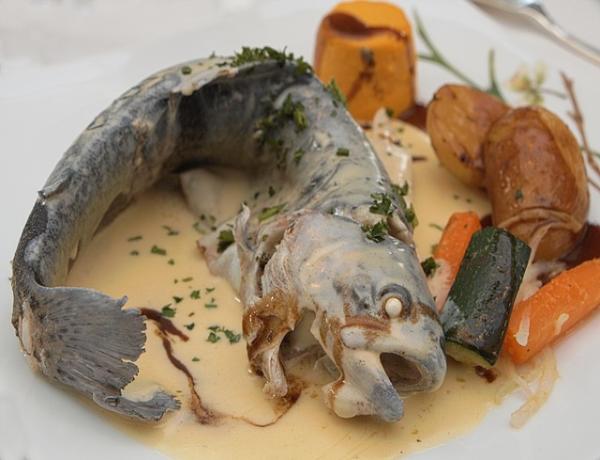
If you’ve never cooked fish straight off a boat, the first thing that surprises you is how little you need to do.
The fish is already carrying most of the flavor. The job is not to bury it.
On the coast here, the morning catch usually meant tuna, seer fish, small reef fish, sometimes snapper. Nothing fancy. What mattered was how fresh it was and how you handled it in the first hour.
I learned quickly that island cooking is less about recipes and more about restraint. Salt, acid, heat. That’s the backbone. Everything else is optional.
A whole fish over fire is where most people go wrong by doing too much.
I’d score the sides, rub it with salt, crushed garlic, a bit of chili, and lime. Not a thick paste. Just enough to get into the cuts. Then straight onto a hot grill.
No foil. No heavy marinades.
The skin would blister and char in spots, which is exactly what you want. That slight bitterness balances the sweetness of fresh fish better than any sauce.
A customer last season asked why I didn’t use more spices. I gave him a piece straight off the grill and told him to try it first. He didn’t ask again.
If you’re cooking something like seer fish or snapper, this method works every time. The only real mistake is overcooking it. Once the flesh flakes easily, you’re done. Don’t keep it on the fire out of habit.
There are a hundred versions of fish curry. Most of them miss the point.
What we made wasn’t heavy or creamy. It was sharp, slightly sour, and light enough that you could eat it in the heat without feeling slow afterward.
I’d start with onions, garlic, curry leaves, and a bit of ginger. Let that soften, then add chili powder, turmeric, and just enough water to carry it. The fish goes in early, not at the end like some recipes suggest.
Coconut milk comes last, and not too much.
The balance is where people struggle. You need acidity. Tamarind, goraka, or even a squeeze of lime if that’s what you have. Without that, the curry feels flat.
I remember one batch where the fish was perfect but the sour note was missing. It tasted fine, but no one went back for seconds. That’s how you know something is off.
This is the one people try to copy and rarely get right at home.
The trick isn’t just the spice mix. It’s the heat and the oil.
We’d coat smaller fish or cut pieces in chili, salt, turmeric, sometimes a bit of rice flour for texture. Then fry it in very hot oil so it crisps fast without soaking it.
If your oil isn’t hot enough, the fish absorbs it and turns heavy. That’s the difference between something you crave and something you regret halfway through eating.
On the roadside, you’ll see fish come out deep red and crisp, served with onions and lime. It looks aggressive, but the inside stays soft.
I’ve had customers try to recreate it and tell me it didn’t taste the same. Usually it comes down to temperature and timing, not ingredients.
Some days, the best thing we made wasn’t curry or fried fish.
It was just lightly seared tuna with salt and lime.
No sauce. No garnish.
Fresh tuna doesn’t need much. A quick sear on a hot pan, leave the inside slightly rare, and finish with lime juice. That’s it.
I served that to a couple who had been traveling for weeks and eating heavy meals everywhere. They told me it was the first time they actually tasted the fish instead of the spices.
That stuck with me.
There’s this idea that island cooking is all about bold flavors and spice.
That’s only half true.
Yes, we use chili, curry leaves, coconut, all of that. But the better cooks know when to pull back. If the fish is fresh, you let it lead.
I’ve seen tourists come in expecting intense, overpowering dishes every time. Then they try something simple and realize that’s what they remember later.
If you’re cooking fish at home and want it to feel like it came from the coast, don’t chase complexity. Focus on freshness, balance, and heat control.
The rest tends to fall into place on its own.
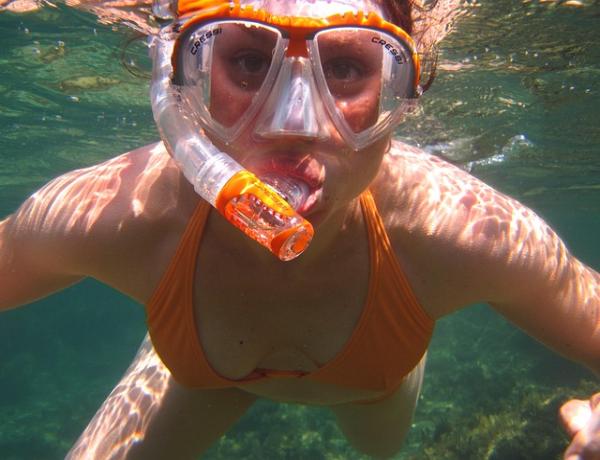
Most people think snorkeling in the British Virgin Islands is about finding one perfect beach. It isn’t. The best snorkeling here is scattered across small, specific pockets, and half of them only make sense if you arrive by boat.
After a while working charters, I stopped thinking in terms of “best overall” and started thinking in terms of moments. Where the water is calm at 9am. Where fish density actually surprises people. Where you can drop in and instantly know you picked the right spot.
Here’s how I’d map it out.
If I had guests for just one snorkel stop, this is where I took them.
Four rock pinnacles rise straight out of deep water, and the reef wraps around them like a living wall. You don’t have to swim far to see everything. Just drift slowly and circle one rock at a time.
You get real density here. Parrotfish, wrasse, schools moving together, and the occasional ray slipping past if you’re quiet. Visibility is usually strong, which makes it forgiving even for people who aren’t confident swimmers.
One thing most people don’t realize until they’re in the water: depth changes fast. You’ll go from shallow coral to deep blue in a few kicks. That contrast is what makes it interesting.
Go early if you can. By late morning, charter boats start stacking up.
This is the spot people remember, even if they weren’t expecting to.
You’re snorkeling into partially submerged caves with light cutting through from different angles. It’s not about huge marine life here. It’s about the atmosphere. Shadows, rock walls, fish darting in and out.
The first time I took a group in, half of them hesitated at the entrance. Five minutes later, they didn’t want to leave.
The reefs outside the caves are underrated too. A lot of people rush the caves and skip the surrounding area, but that’s where I’ve seen octopus and larger fish hanging back.
This one gets crowded. No way around it.
But the underwater side is still worth it.
The giant granite boulders that everyone photographs above water continue below the surface, creating tunnels and pockets that feel completely different from reef snorkeling.
I usually told guests not to expect the most fish here. It’s more about the setting. Swim slowly, explore the edges of the rocks, and don’t rush through.
If you hit it early or later in the day, it feels completely different than midday chaos.
This is where I went when I wanted something calmer.
The reef isn’t as dramatic as The Indians, but it’s consistent. You’ll see turtles here more often than people expect, especially near the grassy patches.
The big advantage is how easy it is. Gentle entry, predictable conditions, and enough marine life to keep things interesting without overwhelming beginners.
If I had a mixed group with a few nervous swimmers, this was always a safe win.
This is where things change.
Anegada doesn’t feel like the rest of the BVI. It’s flatter, quieter, and built around coral rather than rock. Offshore, Horseshoe Reef stretches out as one of the largest reef systems in the region.
Getting here takes more effort, and I wouldn’t recommend trying to wing it without local knowledge or a guide. But the payoff is space. Less boat traffic, less pressure on the reef, and a more natural feel.
You’ll see turtles, rays, and wide coral formations that don’t feel crowded or overworked.
It’s not the place for a quick stop. It’s where you go when snorkeling is the main plan for the day.
This one sits between snorkeling and diving.
The wreck of the RMS Rhone is one of the most well-known shipwrecks in the Caribbean, and parts of it are shallow enough for snorkelers to explore.
You won’t see the whole structure from the surface, but even the upper sections give you that eerie feeling of swimming over something that used to move.
Fish tend to gather around the structure, and the water clarity here can be excellent on the right day.
Not every “top spot” is amazing every day.
Wind direction matters more than rankings. A place that’s perfect one morning can be choppy and murky the next. In the BVI, you learn to read the conditions first and choose the spot second.
Also, a lot of the best snorkeling isn’t right off the beach. It’s offshore, around rocks, or along reef edges. That’s why so many of these places show up on boat itineraries.
I’d do it like this:
Start at The Indians early. Move to The Caves before the light gets harsh. Save Monkey Point or a calm bay for a relaxed swim later. If you have time for a longer trip, dedicate a full day to Anegada.
That’s pretty close to how I used to run it.
And honestly, the people who enjoyed it most weren’t the strongest swimmers or the most experienced travelers. They were the ones who slowed down, floated, and paid attention to what was right in front of them.